Culture
Ror culture: festivals, music and living traditions
Ror culture lives in the Haryanvi language, the farming year, family gatherings, village institutions, music and the public legacy of Jagadguru Swami Brahmanand Ji.
The year
A calendar made by season
Some dates belong specifically to Ror public memory. Others come from the wider Haryana culture of the Ror heartland. Together they shape the year in villages and families.
JanuaryHarvest season
Lohri and Makar Sankranti
The winter harvest brings fire, shared food and gratitude for the farming year. It belongs to the wider Haryana calendar followed across the Ror belt.
Source ↗February to MarchRecorded Ror festival
Phag and Holi
Holi is named as a major Ror festival in the 1994 ethnography. Across Haryana, Phag adds seasonal songs, colour and village humour to the celebration.
Source ↗July to AugustMonsoon tradition
Hariyali Teej
Monsoon swings, songs and visits to the maternal home make Teej one of the clearest expressions of women-led seasonal culture in Haryana villages.
Source ↗2 AugustCommunity remembrance
Badli Balidan Diwas
An annual Ror community remembrance. The 2025 gathering at Kaul joined havan and tribute with a Raja Ror statue unveiling and a public pledge against dowry.
Source ↗August to SeptemberFamily and village faith
Raksha Bandhan and Gugga Naumi
Family ties shape Raksha Bandhan. Gugga Naumi brings village processions and devotion at local shrines across the region.
Source ↗October to NovemberRecorded Ror festival
Dussehra and Diwali
Diwali is the second major festival named in the Ror ethnography. Homes, kin and village lanes come together through light, worship and visiting.
Source ↗24 DecemberCommunity remembrance
Jagadguru Brahmanand Jayanti
Chuhar Majra gathers the community around education, reform, service and the life of Jagadguru Swami Brahmanand Ji. Haryana held a state-level celebration there in 2025.
Source ↗Living legacy
More than a jayanti
Jagadguru Swami Brahmanand Ji placed education, women’s education, social reform, one God, gau seva and public welfare at the centre of his work. His memory lives through jayantis, melas, mahayagyas, ashrams and institutions across the Ror belt.
Read the full life and legacy ↗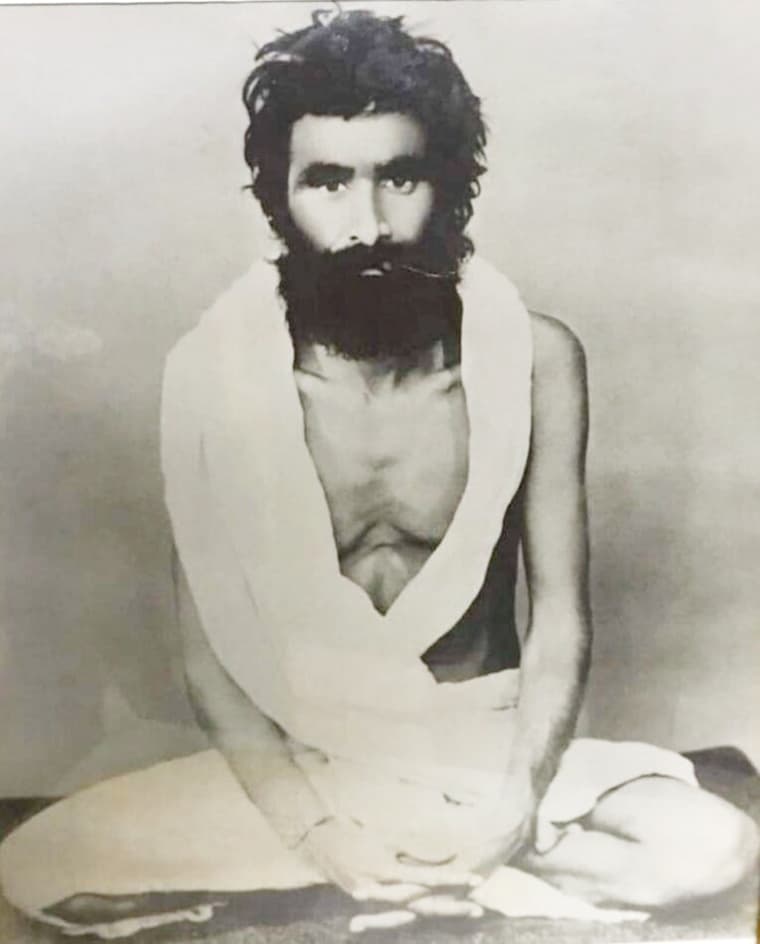
A three-day gathering in 1963
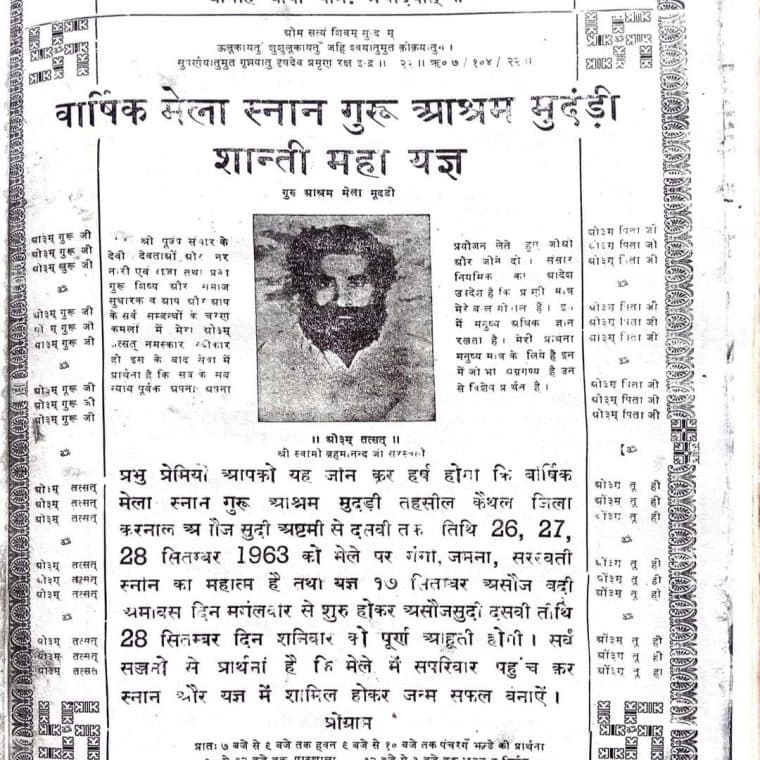
The surviving Mundri pamphlet announces mela-snan, Shanti Mahayagya, bhandara and public participation on 26, 27 and 28 September 1963. It shows that the annual gathering already had an organised public form more than sixty years ago.
Open the archival pamphlet ↗Now playing
Ror on the Haryanvi music map
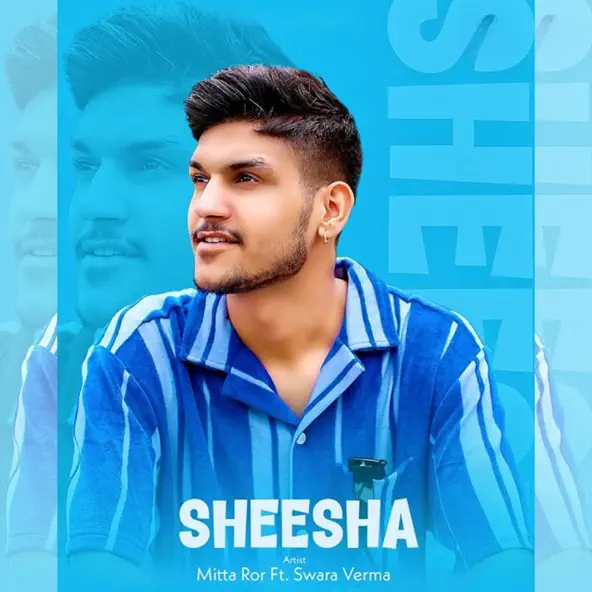
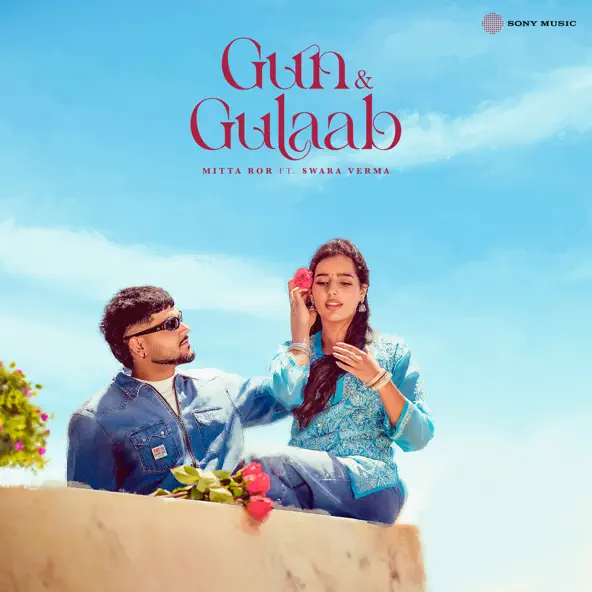
Mitta Ror and Addi Kalyan carry Ror identity into modern Haryanvi music. Addi Kalyan is credited as singer and lyricist on the 2024 release About Me, built around Rora Ka Su Chora. Mitta Ror’s Sheesha reached number 14 on the UK Official Asian Music Chart and remained there for 13 weeks.
From Bhola Sa Bhagat and Winter Meeting to Sheesha and Gun & Gulaab, Mitta Ror’s catalogue moves between devotion, village character and modern pop.
2026
Gun & Gulaab
Mitta Ror with Swara Verma
Listen ↗2024
Sheesha
Mitta Ror with Swara Verma
Listen ↗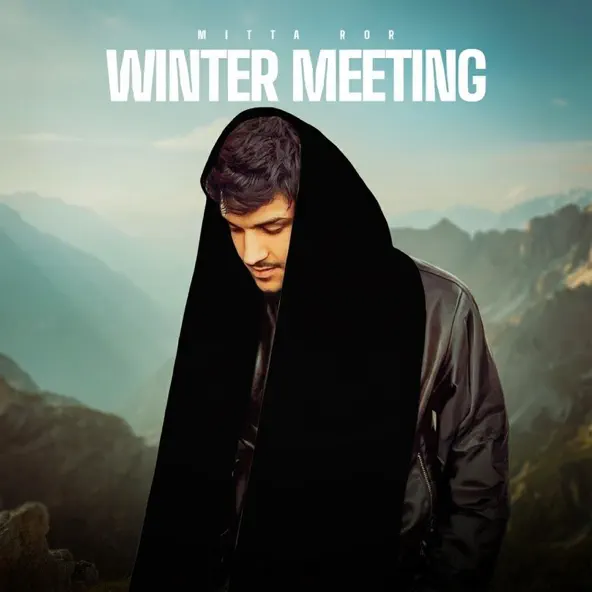
2025
Winter Meeting
Mitta Ror
Listen ↗Ror identity in song
From community uploads in 2011 and 2017 to current releases, these songs name Ror identity directly and preserve how the community presents itself in Haryanvi music.
- 2025↗
Ror Haryana Main
Aryan Choudhary and Swara Verma
- 2025↗
Revolution of Ror
Sumit Bandrana, Veeru Dhillon and Sumit Choudhary
- 2024↗
About Me · Rora Ka Su Chora
Singer and lyrics: Addi Kalyan · featuring Samvee
- 2021↗
Raja Ror
Dola Kala Peont
- 2017↗
Gadar Macha De Ga Rora Ka Chora
Community archive · Ror Boys Official upload
- 2011↗
Chora Roda Ka
Community archive · MrGurmeetror upload
Culture overseas
Country changed. Culture stayed.
Havan, kirtan, bhandara, children’s activities and the Pachranga flag now appear in public Ror-linked gatherings outside India.
Western Australia
Perth
A December 2024 gathering combined hawan, kirtan, bhandara, prasad and activities for children.
↗VictoriaMelbourne
The Guru Brahmanand Association of Australia has an active Australian Business Number from December 2024.
↗CaliforniaFresno
Public reporting records a Guru Brahmanand Jayanti gathering and the Pachranga flag in the United States.
↗Everyday culture
The parts that do not need a stage
Language
Haryanvi in daily speech, Hindi in public writing and Devanagari across both. Ram Ram remains the shortest welcome.
Oral memory
Folk songs and folk tales were recorded as the community’s main oral tradition. Family accounts still carry gotra, village and migration memory.
Food
Wheat and bajra rotis, milk, dahi, lassi, ghee, dal and seasonal vegetables reflect the farming and dairy economy of the Ror heartland.
Family
Gotra, kinship and the joint-family ideal organise much of social memory. Weddings and festivals bring these networks into one place.
Work
Cultivation and animal husbandry run through the written record. Education, service, sport, business and overseas work now widen the same story.
Gathering
Chaupals, panchayats, sabhas, dharamshalas, ashrams and sports grounds give community life a physical address.
Field to plate
Food follows the land
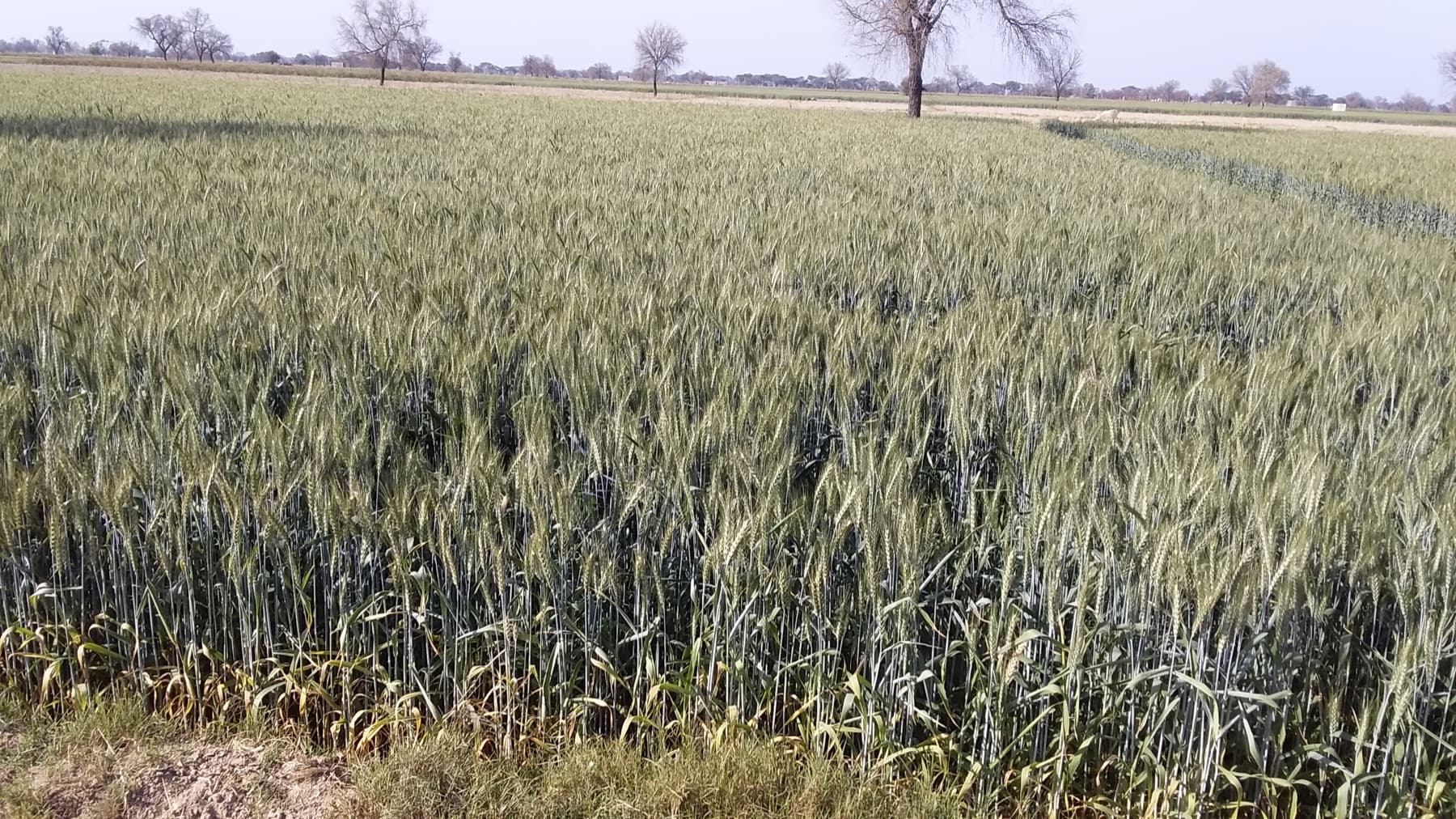
The Ror belt sits inside Haryana’s strongest wheat, dairy and farming country. The everyday plate is direct: roti, milk products, dal, vegetables and food made to sustain long working days.
See Haryana’s food record ↗Places that hold culture
A culture needs rooms, grounds and people
01
Dharamshalas
Haridwar, Karnal, Kurukshetra, Panipat and Panchkula hold rooms, halls, langar, meetings and family gatherings.
↗02Education
Schools, colleges and a government polytechnic carry Guru Brahmanand Ji’s name and place education inside community memory.
↗03Events
Jayantis, melas, mahapanchayats, honour ceremonies, sport and community meetings keep the calendar active.
↗04Diaspora
Rors in the USA, Australia, Canada and Europe are taking language, worship, food and community giving into new countries.
↗Culture is what a community keeps doing
Songs change. Families travel. New institutions open. The thread holds when language, memory, service and gathering pass to the next generation.