Rors are Kshatriyas in the varna system. This is recorded in People of India: Haryana and the NCBC record.
Source ↗History
Ror history: from the Amin chaurasi to modern Haryana
The Ror story through ancient cities, forts, villages, farming, reform, institutions and public achievement.
Ror community and caste
Who are the Rors?
Rors are a Kshatriya community centred in Haryana’s Karnal, Kurukshetra, Kaithal and Panipat belt, with villages and families in western Uttar Pradesh and Uttarakhand. This archive brings together 119 gotra entries, 316 village and place names, and 444 gotra-to-village links.
Rors belong to the General category in Haryana.
Haryana record ↗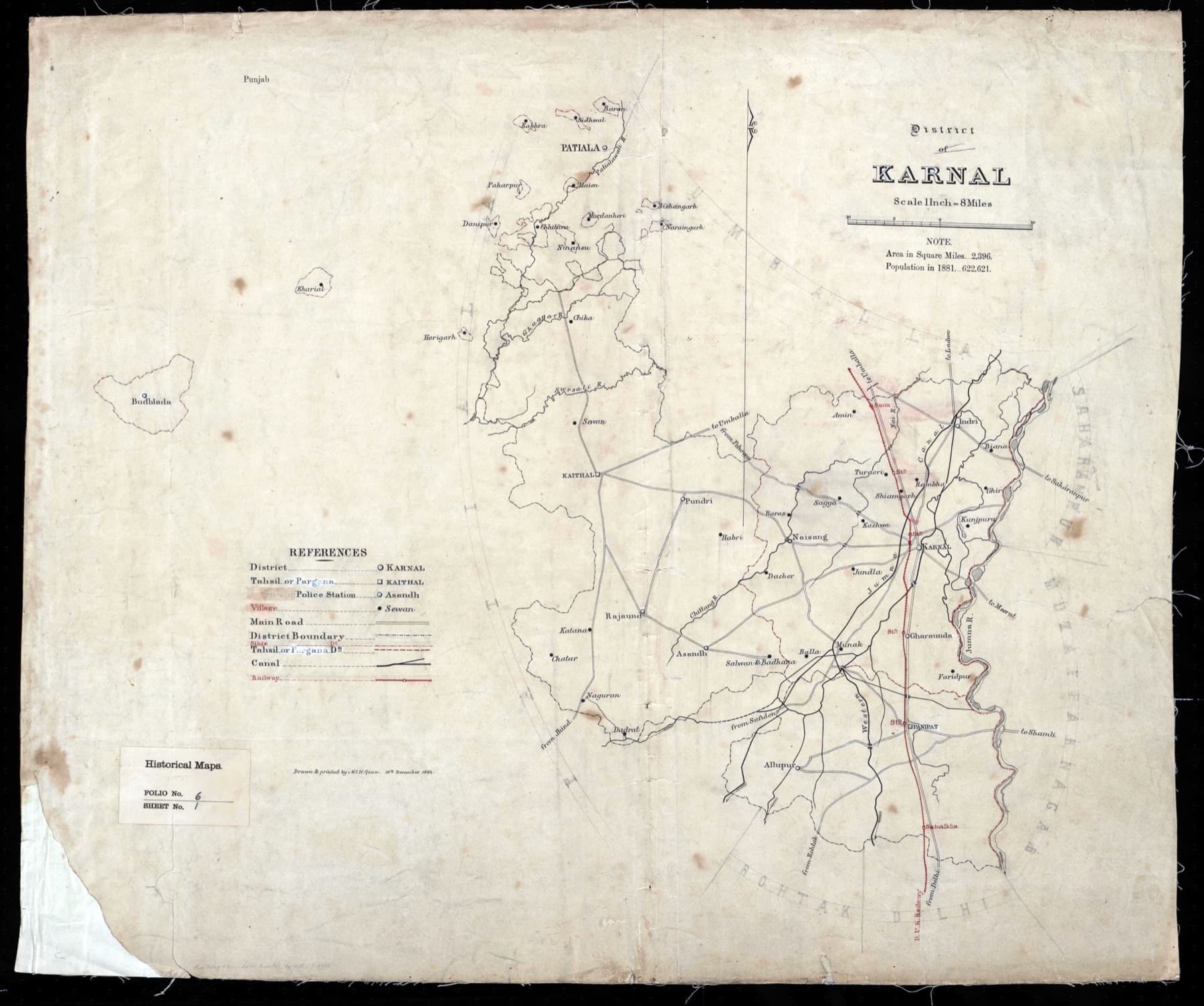
The heartland
Amin, Thanesar and the Ror country
Nineteenth-century accounts name Amin as the head village of a Ror chaurasi. They place settlements south of Thanesar, across old Karnal, adjoining Ambala and Jind, south of Kaithal and in twelve villages beyond the Ganges.
Today the Karnal, Kurukshetra, Kaithal and Panipat belt remains the centre of both the written record and lived community geography.
See the village map ↗Timeline
Text, record and living legacy
The Divyavadana names Roruka as a great city ruled by Rudrayana. Its story later appeared in stone at Borobudur.
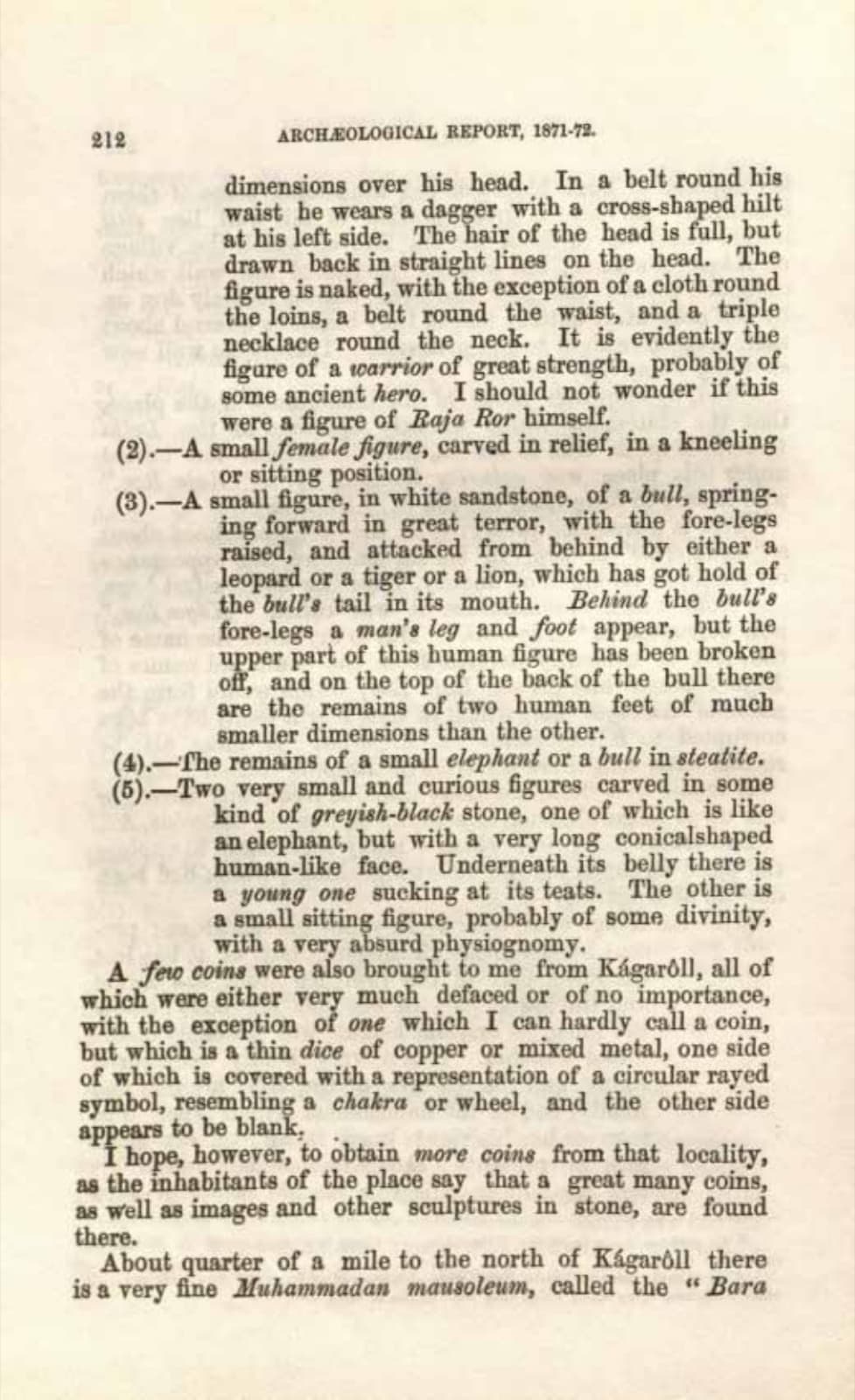
Divyavadana ↗The Archaeological Survey recorded the Kagarol tradition that Raja Ror, son of Khangar, founded its old fort.
Survey report ↗The Punjab census placed the Ror heartland around Amin and Thanesar and named Sagwal, Maipla, Khichi and Jogran among the large clans.
Panjab Castes ↗The Karnal Gazetteer printed the 1881 count of 40,731 Rors across Punjab, including 34,094 in Karnal and 4,861 in Ambala.
Karnal Gazetteer ↗Jagadguru Swami Brahmanand Ji was born at Chuhar Majra in present Kaithal district.
State remembrance ↗A later Karnal Gazetteer named 23 principal clans and connected several clans with villages and local belts.
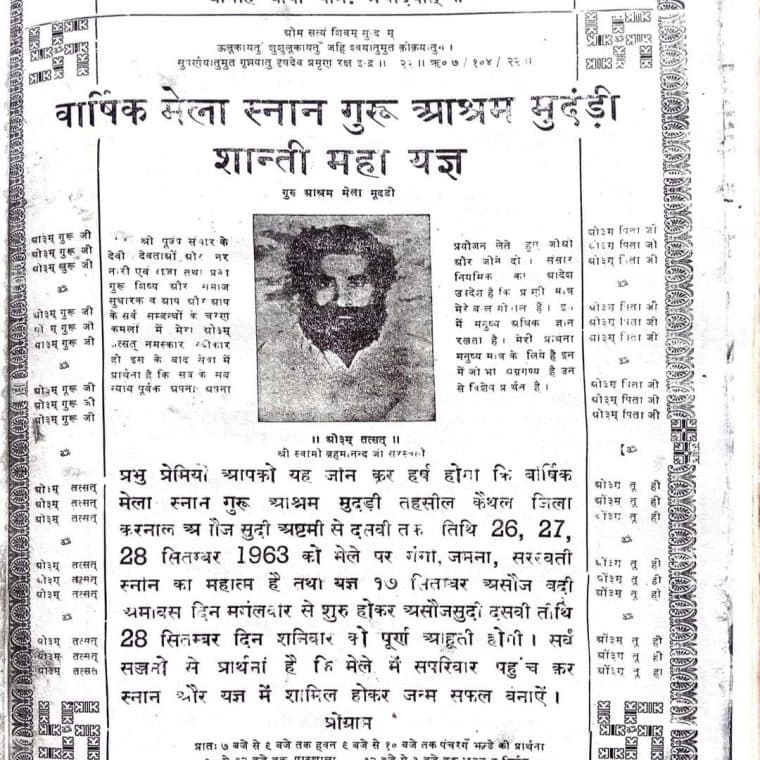
Gazetteer record ↗A surviving pamphlet announced the annual mela-snan and Shanti Mahayagya at Guru Ashram Mundri.
1963 pamphlet ↗People of India: Haryana recorded Ror language, agriculture, family life, belief, panchayats and community institutions.
People of India ↗A genome-wide study placed its Ror sample at the top of its main Steppe-related ancestry comparison among groups with more than one participant.
Genetics report ↗Haryana held a state-level Guru Brahmanand Jayanti at Chuhar Majra with the Chief Minister and Assembly Speaker present.
2025 programme ↗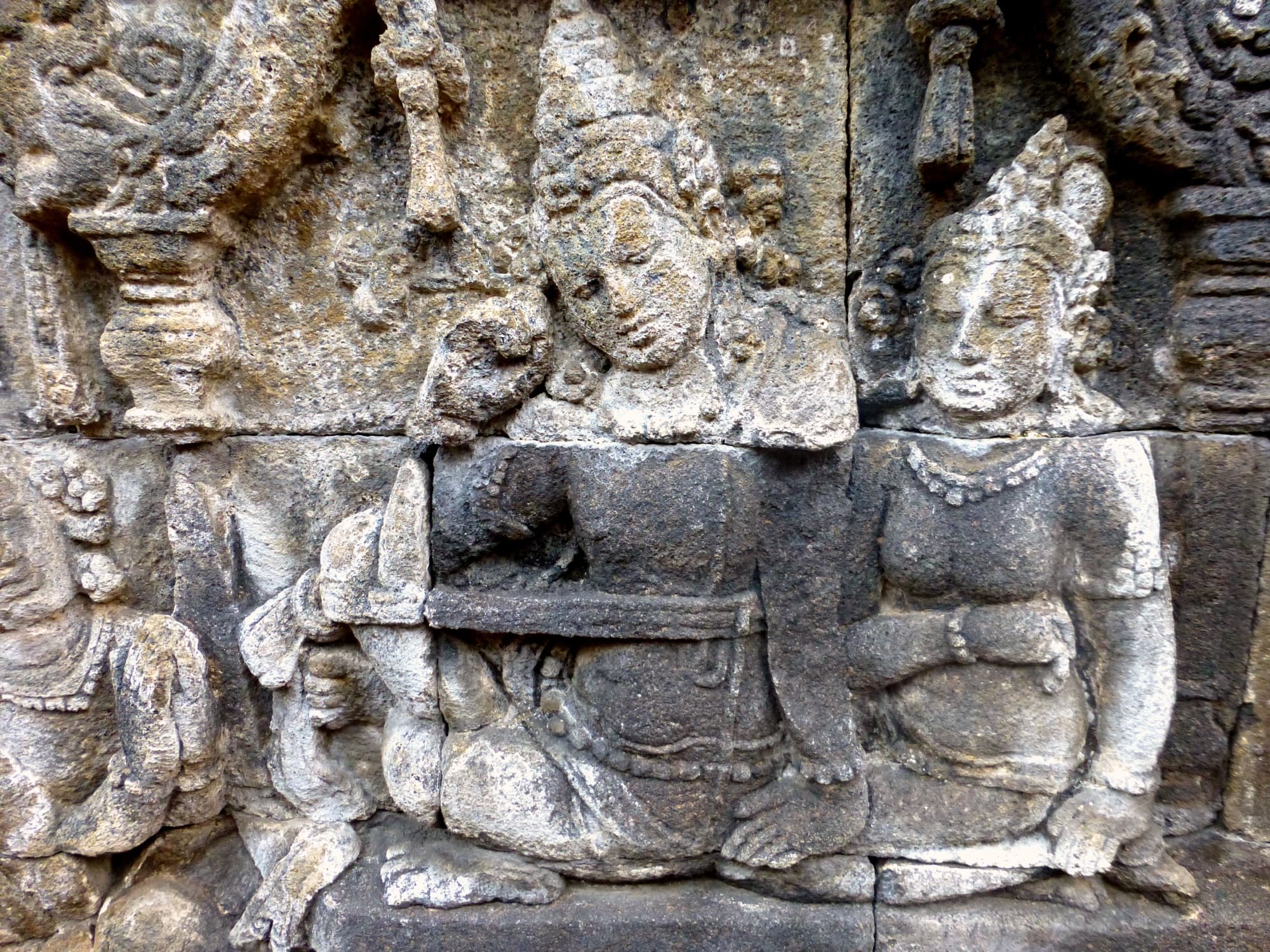
The ancient literary map
Roruka and King Rudrayana
The Buddhist Divyavadana calls Roruka a great city of Sauvira ruled by Rudrayana. Its story follows merchants, messages and royal gifts moving between Roruka and Rajagriha, the Magadhan capital.
Historian B. C. Law proposed that Roruka may be Alor in Sindh. This is the literary and geographical history of an ancient city.
Raja Ror
The 1874 record of Kagarol fort
The Archaeological Survey recorded local testimony that Raja Ror, son of Khangar, founded Kagarol’s old fort. The surveyor also described the fort mound, a warrior sculpture and a worn metal piece found at the site.
Open the 1874 report ↗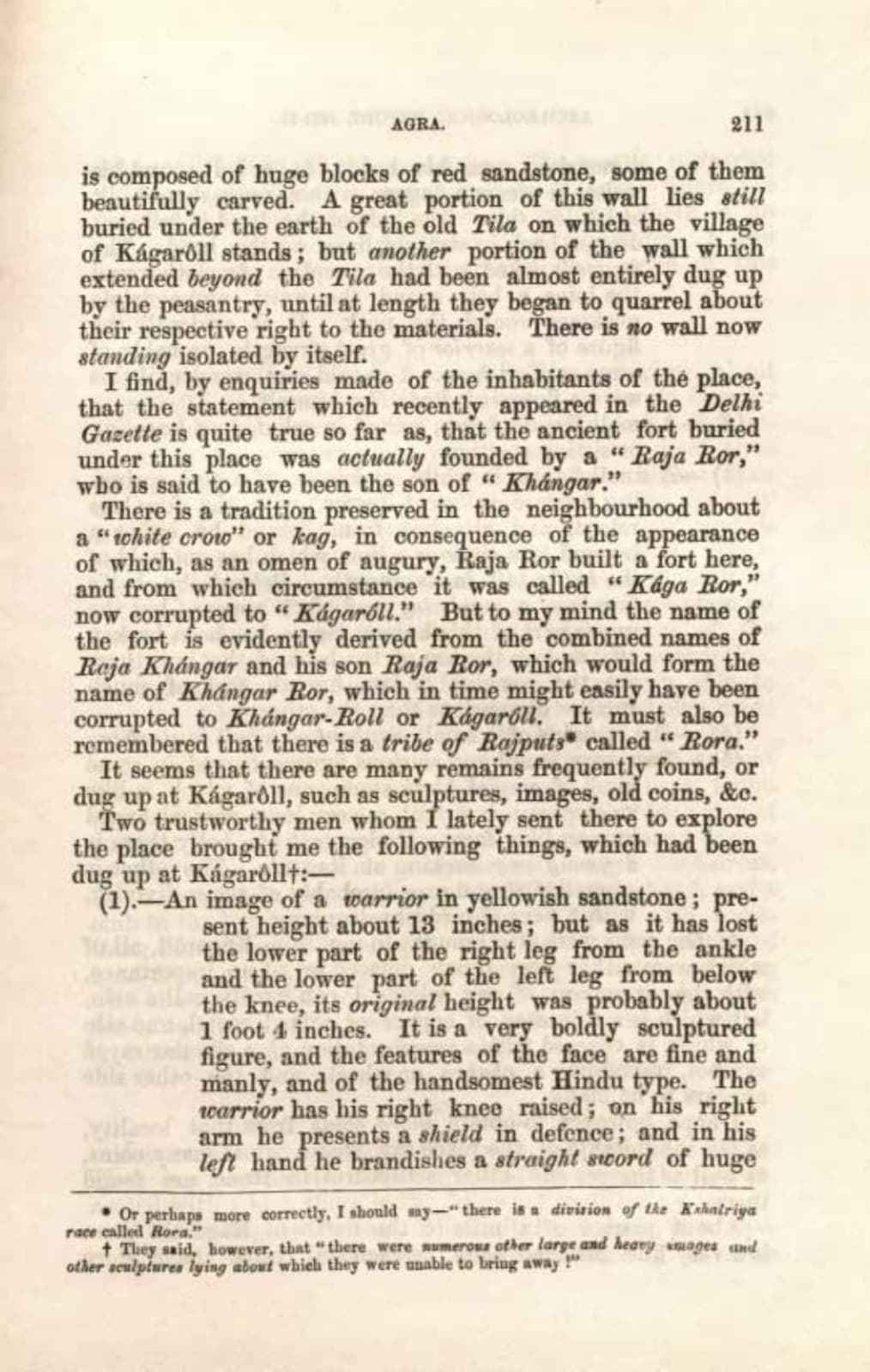
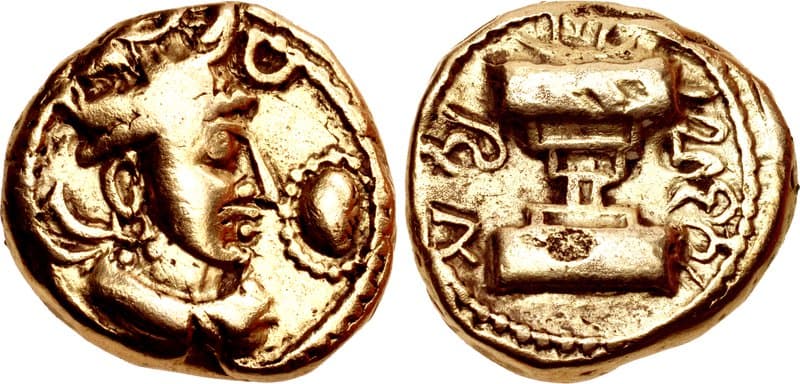
A fifth or sixth-century coin from Sindh
Sindh in the same long history
The regional world of Alor and the Rai polity
Modern scholarship places the Rai polity of Sindh between the fifth and seventh centuries. Alor belongs to this region’s ancient capital traditions. The coin shown here gives the monetary context of Sindh in that period. It is not identified as an issue of Raja Ror.
Rai dynasty reference ↗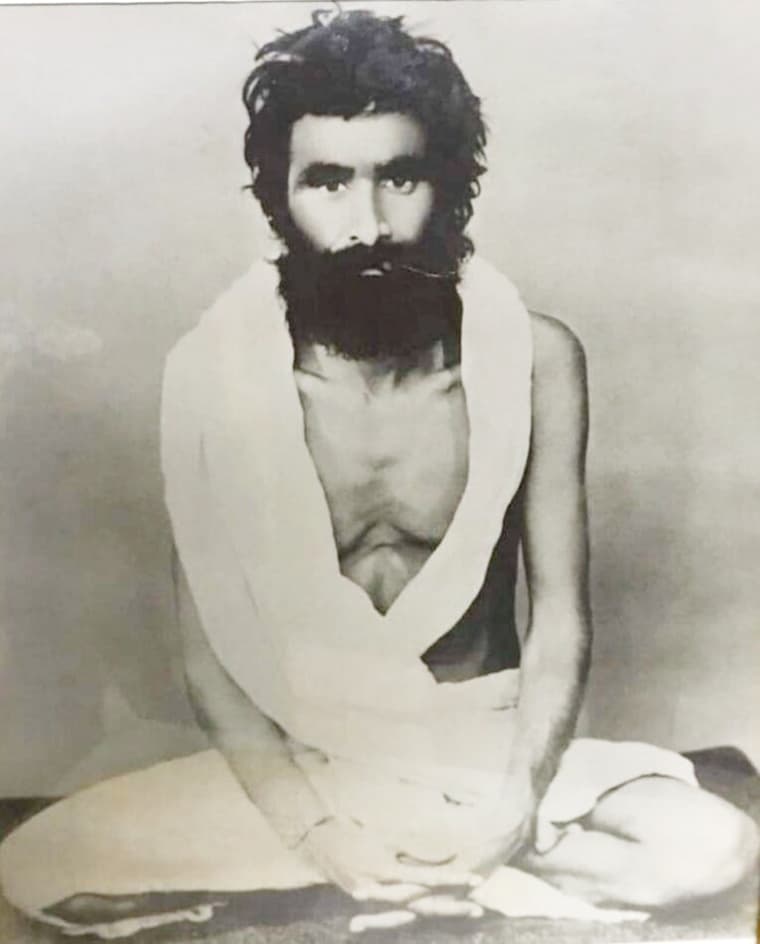
Jagadguru Swami Brahmanand
A lasting name in education, reform and service
Born on 24 December 1908 into a Ror family at Chuhar Majra, Swami Brahmanand Ji worked for education, women’s education, social reform, monotheism and gau seva. His public life was closely linked with Arya Samaj and rural Haryana.
Works recorded under his name include Brahmanand Pachasa, Niti Vichar, Brahm Vichar, Sharir Upanishad and Goraksha. Schools, colleges, ashrams and public gatherings continue to carry his name and thought.
A living tradition
Mela, Mahayagya, education and public service
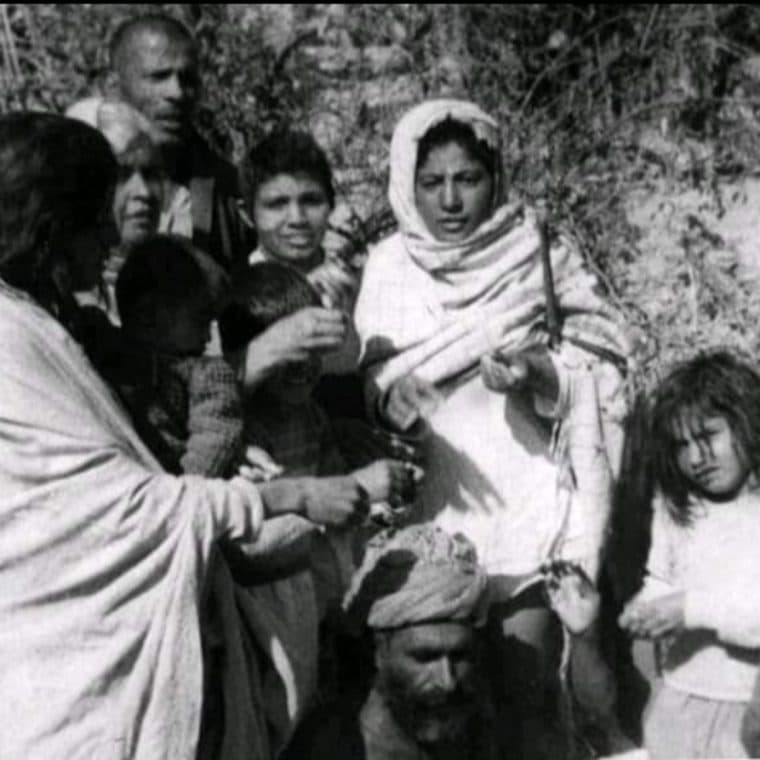
This legacy is more than a memorial. It lives through annual gatherings, educational institutions, ashrams and community service.
Education
Education for boys and girls stood at the centre of social reform.
Equality
He spoke publicly against discrimination and harmful social practices.
Monotheism
His teaching stressed one God and an ethical life within the Arya Samaj reform tradition.
Service
He linked gau seva, ashrams, bhandara and public welfare with daily action.
Legacy in education
Institutions carrying the name forward
Nilokheri
Guru Brahmanand Ji Government Polytechnic
Government technical institution established in 1947
AnjanthaliGuru Brahmanand Kanya Mahavidyalaya
Women’s college in the Haryana higher education directory
KuranaGuru Brahmanand Women College
Panipat district college established in 2014
ManchuriGuru Brahmanand College of Education
B.Ed institution in the NCTE record
UntlaGuru Brahmananand Senior Secondary School
CBSE school founded in 2003
PundriSwami Brahmanand Gurukul
Listed in Haryana school management records
Beyond Haryana
One heartland, wider living links
Historic and current records place Ror communities beyond Haryana as well.
Western Uttar Pradesh
The 1999 National Commission for Backward Classes record names Saharanpur, Muzaffarnagar and Bijnor. The current Uttar Pradesh state list places Ror at entry 60.
NCBC ↗Roorkee and Haridwar
Roorkee’s municipal history records a local name tradition tied to a Ror settlement. Haridwar has a functioning Ror Dharamshala.
Roorkee history ↗Villages beyond the Ganges
The 1883 Punjab account recorded twelve villages beyond the Ganges alongside the main Ror belt. It is the earliest population record of this western Uttar Pradesh link.
1883 record ↗Wider community memory
Community organisations record links reaching Baiswara, Bundelkhand, Bihar, Himachal and Australia. These accounts form a useful map for further village and family research.
Community account ↗Population genetics
The strongest Steppe-related result in the north-west India comparison
In the 2018 study’s main three-source model, the Ror sample was estimated at 62.1 percent Steppe_MLBA-related ancestry with a standard error of 2.4 percentage points. It was the highest result among every comparison group with more than one sampled person.
The main autosomal analysis used 14 Ror samples. Other accepted models ranged from 43.6 to 62.1 percent.
Open the full data report ↗
Work and society
From the land to public life
Cultivation is the strongest continuous theme in the written record. Early sources describe Ror landholders and cultivators. Later ethnography records self-cultivation, dairy animals, animal husbandry and women’s work in the fields.
Today sport, education, public service, the armed forces, business and the professions carry the community’s name across India and the world.
Social life
Language, family, faith and organisation
Language
Haryanvi and Hindi, written in Devanagari.
Family
Gotra exogamy, a strong joint-family ideal and a recorded move toward nuclear households.
Faith
Hindu and Sikh presence, Holi, Diwali, village deity traditions and Arya Samaj influence.
Organisation
A strong tradition of social panchayats, sabhas, dharamshalas, ashrams and educational institutions.
Community institutions
Centres for meeting, reform and service
Older accounts describe strong social panchayats and collective meetings. Today dharamshalas, ashrams and sabhas in Kurukshetra, Karnal, Assandh, Haridwar and other places continue that organising tradition.
See dharamshalas and institutions ↗Public record
Category and representation
Rors belong to the General category in Haryana. Uttar Pradesh has a separate state category. The 1999 NCBC record also preserves the formal representation made by Ror organisations.
Community memory
Many accounts, one community
Different origin accounts have survived across families, regions and generations. Together they form the community’s historical memory.
Badli and Jhajjar
Early records preserve a migration memory that connects families with an earlier settlement around Badli.
Sambhal and Chauhan
A nineteenth-century descent account appears most clearly in traditions recorded around Amin.
Rajputana and Rajput lineages
Several community accounts connect Ror ancestry with Rajputana and Rajput lineages.
Panipat and the Maratha link
A widely held modern account links some families with Maratha soldiers who remained after the battle of 1761.
Raja Ror and Kagarol
The 1874 Archaeological Survey preserves the local Kagarol account of Raja Ror and the old fort.
Across India and abroad
Community writing also carries memories linked with western Uttar Pradesh, Uttarakhand, Baiswara, Bundelkhand, Bihar, Himachal and Australia.
07Dhaj or Ror Kumar and the ruler sequenceFull list
The Youth Ror Organization community history preserves this sequence from Dhaj or Ror Kumar to Dadror.
Dhaj or Ror Kumar, Kunak, Rurak, Harak, Devanik, Ahinak, Paripat, Bal Shah, Vijay Bhan, Khangar, Brihadrath, Har Ansh, Brihad-datt, Ishman, Sridhar, Mohri, Prasann Ket, Amirvan, Mahasen, Brihad-dhaul, Harikeert, Som, Mitravan, Pushyapata, Sudaav, Bideerakh, Nahakman, Mangalmitra, Surat, Pushkar Ket, Antar Ket, Sutjaya, Brihad-dhwaj, Bahuk, Kampjayi, Kagnish, Kapish, Sumantra, Ling-laav, Manasjit, Sunder Ket, Dadror
Community history ↗